A question for all the writers out there: what do you do when you get stuck? How to you get un-blocked when writer’s block sets in?
There’s lots of different advice out there for writers, and none of it is wrong; it’s just a question of following the advice that fits your particular personality.
For me – and I think for many people – the best ideas tend to come when I’m not writing at all. When I’m walking, or showering, or picking up groceries. (Although thankfully, I don’t usually get writer’s block, likely because I don’t tend to write more than 500 words at a time.) You might call this the Archimedes approach, for the famous Greek mathematician who famously and perhaps apocryphally made his breakthrough while having a bath, subsequently screaming “eureka” and running naked through the ancient Greek streets.
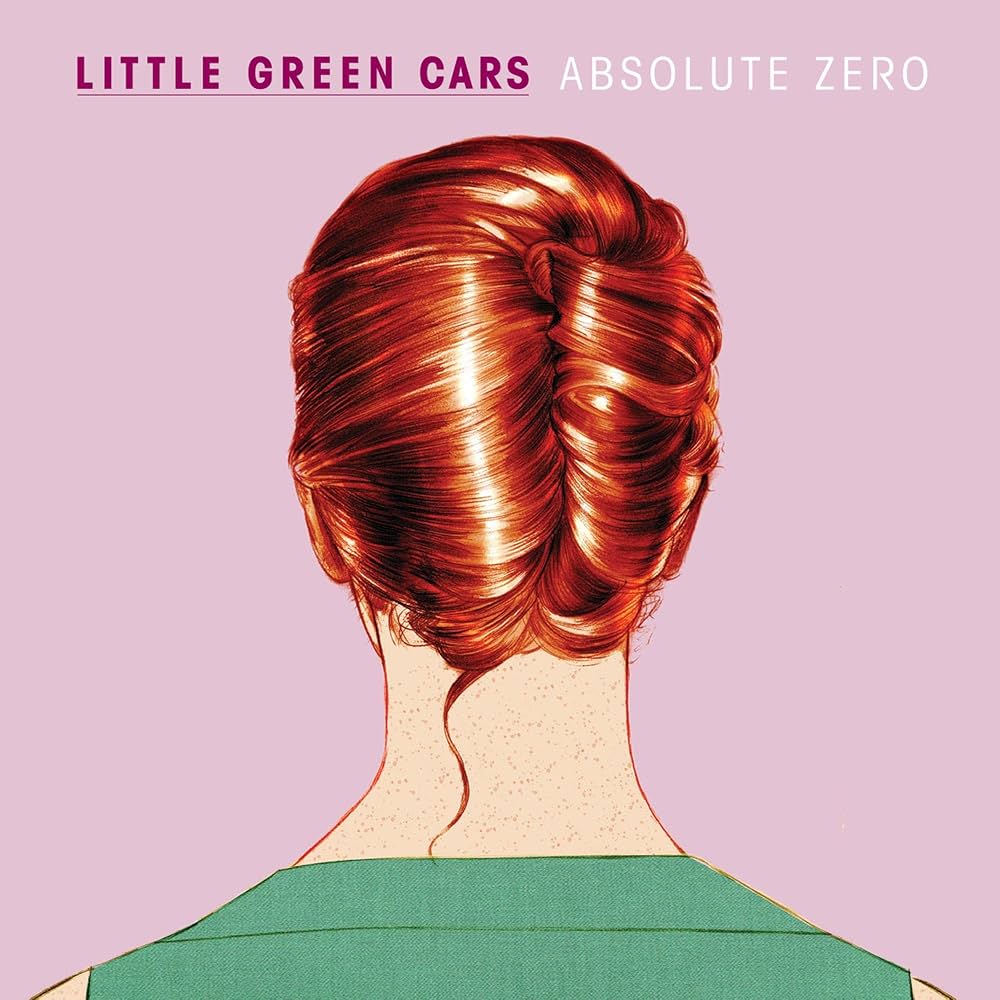
My favourite story of overcoming writer’s block has to come from Stevie Appleby of the Irish band Little Green Cars.
In an interview with Matt Schichter, Appleby said he was at a loss for song ideas, so he thought a good approach might be to try to write a song as someone else, rather than as himself.
But not just any old someone else: Appleby decided to make a full-on robot costume out of cardboard and tinfoil and proceeded to write a love song from the POV of his newly created robot character.
It worked: the resulting song was the lovely, understated, and decidedly un-robotic “Red and Blue.”
What makes this a beautiful song:
1. The concept of a love song written by a robot is fantastic. There’s something about the innocence of robot intelligence (especially robot intelligence as conceived in the pre-AI era – think Wall-E or Short Circuit – that really tugs on human heartstrings. That innocence is captured wonderfully in this song with lyrics like, “I saw a triangle / and I fell in love / with colours I made for you.”
2. The arpeggios in the organ have a simple, child-like quality to them. Like a kid getting distracted while trying to learn Bach’s prelude in C.
3. The vocoder effect was getting a lot of use a lot in the early 2010s, but often it was used for its own sake rather than as a means to an end. Here, it makes us believe in the character.
Recommended listening activity:
Putting a bouquet of flowers in a stainless-steel vase.